Hello, welcome to the official website of Liaoning Huagao New Materials Co., Ltd.


E-mail Box: sales@lnhgxc.com
Blog
Leave a Message/Feedback
If you have any questions, please leave your message, or contact us. Thank you for your support and trust, we will wholeheartedly provide you with high quality products and services!
GuestbookZirconium plate manufacturers share some insights into the chemical properties of zirconium plates.
Time:
2021-06-17
Zirconium plate manufacturers share some insights into the chemical properties of zirconium plates.
Zirconium is a chemically highly reactive element that readily interacts with various gases in the atmosphere at high temperatures, making it resistant to corrosion. It is widely used in industries such as petroleum, chemical processing, and nuclear energy. However, during zirconium welding, the weld zone and heat-affected area are prone to contamination by elements like oxygen, hydrogen, and nitrogen from the air, leading to the formation of hard, brittle compounds and the development of fragile needle-like microstructures. This results in increased hardness and strength of the welded joint, while its ductility and corrosion resistance significantly decline. To prevent these issues, it’s crucial to thoroughly shield the molten pool, weld area, and heat-affected zone from atmospheric exposure, ensuring complete isolation from air. Zirconium plates are typically welded using tungsten inert gas (TIG) welding, though other methods such as electron beam welding, plasma arc welding, and resistance welding can also be employed. In terms of weldability, zirconium behaves quite similarly to titanium. One notable characteristic of zirconium is its low thermal expansion coefficient and elastic modulus, which contribute to minimal welding distortion and reduced residual stresses. Under non-contaminated conditions, the weld is less likely to develop either crystalline or cold cracks. It’s important to note, however, that zirconium tends to react aggressively with atmospheric gases at elevated temperatures: it begins absorbing oxygen at around 200°C, hydrogen at 300°C, and nitrogen at 400°C—though the reaction intensifies sharply as temperature rises. Another significant challenge in zirconium welding is the risk of excessive softening, which can cause the weldment to shift out of position and lead to burn-through at the root of the weld. To mitigate these risks, proper clamping of the workpiece is essential, and double-sided welding techniques are often recommended. Finally, it’s worth mentioning that, aside from titanium, niobium, silver, and vanadium, zirconium cannot be directly welded to most other metals due to its unique material properties.
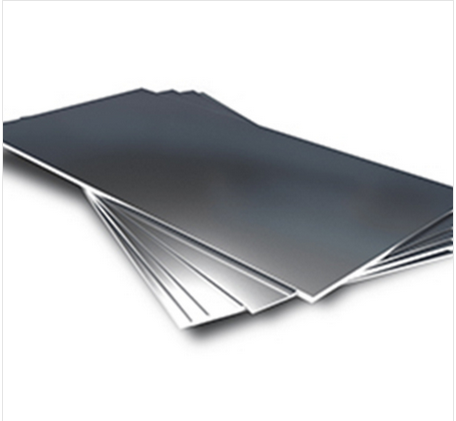
Selection of zirconium plate welding materials and requirements for the welding environment
Welding wires used for tungsten inert gas (TIG) welding of zirconium plates and zirconium alloys are typically identical to the base material. These wires must have a smooth, rounded appearance, free from defects such as burrs, wrinkles, overlaps, cracks, or voids. When necessary, metallographic microanalysis should be performed to ensure there are no segregation issues or residual adhesive residues. The table below provides recommended welding wire options for common zirconium and zirconium alloy applications.
Requirements for the construction environment of zirconium plates
(1) Dedicated prefabricated components should be used, and the welding area must be kept clean and dry.
(2) The ambient temperature should be above 5°C.
(3) Welding, cutting, grinding of ferrous metals, and other similar operations are strictly prohibited in the welding area.
(4) When performing on-site welding, wind and rain protection measures must be implemented. Welding is prohibited if the wind speed exceeds 0.5 m/s or the relative humidity surpasses 80%.
Zirconium plate cutting and beveling can be performed using mechanical methods, as well as thermal cutting techniques such as oxy-acetylene flame or plasma arc. However, thermal cutting generates intense fumes, leading to severe contamination of the material around the cut edge, which must then be carefully ground away—resulting in significant waste.
Therefore, when cutting the workpiece, mechanical methods such as sawing, turning, milling, drilling, and planing should be used whenever possible, combined with water-based coolant to dissipate heat and prevent material damage caused by rising temperatures. For the thicker oxide layer around the 25mm-wide inner and outer surfaces of the bevel, tools like files, electric grinders, and grinding wheels can be employed for thorough cleaning. Ensure the bevel surface is completely free of burrs, pits, residual sand particles, or any other imperfections. Finally, always use a dedicated stainless steel wire brush to carefully remove any remaining debris. Remember that tools used during this process must be kept clean at all times. Additionally, be aware that machining-generated chips and droplets, if allowed to accumulate in the air, could spontaneously ignite—so be sure to store them safely in a container filled with water.
We won't go into too much detail about the chemical properties of zirconium plates today—feel free to leave a comment if you have any questions!
Next page
Contact Us
Add: Liucheng Economic Development Zone, Chaoyang County, Chaoyang City, Liaoning Province, China
Tel:0086-416-7996156 Contact: Mrs. Rosa Ma
Mobilephone:0086–18641665591
Main Products: Industrial Grade Zirconium Sponge
Zirconium Tetrachloride Downstream Zirconium Products
E-mail Box: sales@lnhgxc.com rosa@lnhgxc.com
We-Chat: Rosa778899
Scan to learn more
WeChat official account
Copyright: Liaoning Huagao New Materials Co., Ltd. |SEO| Website:300.cn jinzhou.300.cn Privacy Policy